You go to the store, scan the herb shelves, and there is a huge selection of herbs to choose from. You have a vague idea of what you waant before hand. The woman in charge of that section is not allowed by law to tell you what to buy or what health problems it is used for. There are a number of different brands to choose from, so does it make a difference? The steps in the life of an herb, from growing to packaging, make all the difference in how potent and safe it is.
How and where was the herb grown?
The herb needs to be grown in good soil, free of contaminants. If possible, organic certified. China and India are where many herbs originate from. The water, soil, and air in these countries are polluted. Lead is a real problem in these countries. Lead can also occur in herbs grown in areas where volcanoes once erupted. It is naturally occurring lead, not lead from industrial pollution, as in India and China.
The Ganges River in India, which waters the agricultural crops, is one of the most contaminated rivers in the world with dead animals, dead human carcases, industrial pollution, chemicals of every kind, and disease. That river feeds all the agriculture throughout the nation. Plants take up the chemicals, and you ingest those chemicals.
What species of plant was picked?
In many plant species, there may be only one or two that are medicinally potent and used for herbal medicine. If you pick the wrong one, you won't get any medicinal value. Herbs have look-alikes, so you must know if the right herb is picked, and what part was picked.
There are problems with cheaper herbs being substituted for the correct botanical species in the formulation. This is especially true of herbs such as goldenseal, which are mixed with less expensive herbs. That is why testing of the plant material is critical.
Herbs need to be picked at a certain time of day, after they have grown to maturity.
Was the correct part of the plant processed?
In some cases, only the root is potent. In other herbs, it is the flowers or the whole plant that are used for healing.
What drying process was used in drying the herbal product?
How long was the herb sitting there before processing?
Was it air-dried and under what circumstances?
Was it stored in a clean processing plant?
Was the machinery clean? Were the people in charge using clean procedures?
If the herb was not processed properly through all these steps, you have a useless product.
You cannot tell by looking at the contents of a cap? Taste may be different. Color may vary on a product. Smell may be an indicator, but not always.
Was the original herb product tested in the US by a 3rd party testing company?
If a company does not talk about its testing procedures, it probably doesn’t do testing. They import the material and use the test scores from the country of origin. That is not good.
Was the plant material tested before it was bottled or packaged? Why is testing so important?
These are the tests that should be performed on products before bottling.
This is an example from Raintree Pharmacy in Florida below. They state this on their website.
“Testing
We ensure to use current industry-standard testing methods. All tests are conducted at FDA-registered facilities that are ISO/IEC 17025:2017 certified and comply with cGMP’s.
Botanical Identification
Botanical Vouchers from expert botanists
FTIR (Fourier Transform Infrared Spectroscopy)
Microbiologic Testing
Total Aerobics Plate Count USP <61>
Yeast & Mold USP <61>
Coliforms AOAC 991.14
Escherichia Coli USP <62>
Salmonella USP <62>
Staphylococcus aureus USP <62>
Pseudomonas aeruginosa USP <62>
Chemical Analysis
Random Heavy Metals Testing
Arsenic
Cadmium
Lead
Mercury
Storage
Temperature/Humidity-controlled warehouse
Facility inspected by FDA
Facility inspected by the Florida Department of Agriculture.”
How was the herb material bottled or packaged?
Was it bottled or packaged in the country of origin, like India? Is the facility modern and clean, and does it have no access points for mice or rats? How long does the product sit in the warehouse before it's shipped or sold?
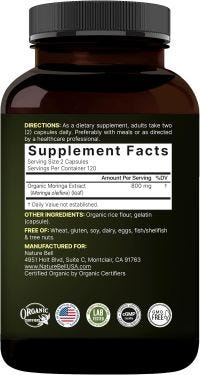
Don’t buy products that don't state the testing they perform on the bottle label.
All these steps, from picking to bottling, are extremely important and make the difference between an herb that is potent and safe and one you might as well dump into the trash.
It’s one of the main reasons people say herbs don’t work: they bought a cheap, untested product.
Buy products that show seals on the bottle label, like 3rd party tested, organic certified, GMP, and tested in the US.