
Learn About Olive Leaf and its Amazing Benefits for BP, Blood Sugar, Brain Health, Bacterial and Fungal Infections.
Please read my important article about Olive Leaf's ability to help blood pressure, blood Sugar, brain function, bacterial, fungal infections and so much more.

My last Substack focused on Olive Leaves’ value in preventing viral infections, which is important with the flu making its rounds in almost every community.
The problem was that my first article barely scratched the surface of its comprehensive healing attributes for many other health issues, such as HIV, Epstein-Barr, Herpes, and Chronic Fatigue Syndrome, not just the flu.
Read how it can be effective for really tough health issues, including high blood Pressure, high blood Sugar, bacterial and fungal infections.
Don’t just take my word for it; investigate the research links at the end of this Substack, which provide validation for what I am writing here. You should always investigate information for yourself.
So, let’s get into the facts and research about Olive Leaf and its amazing health abilities.
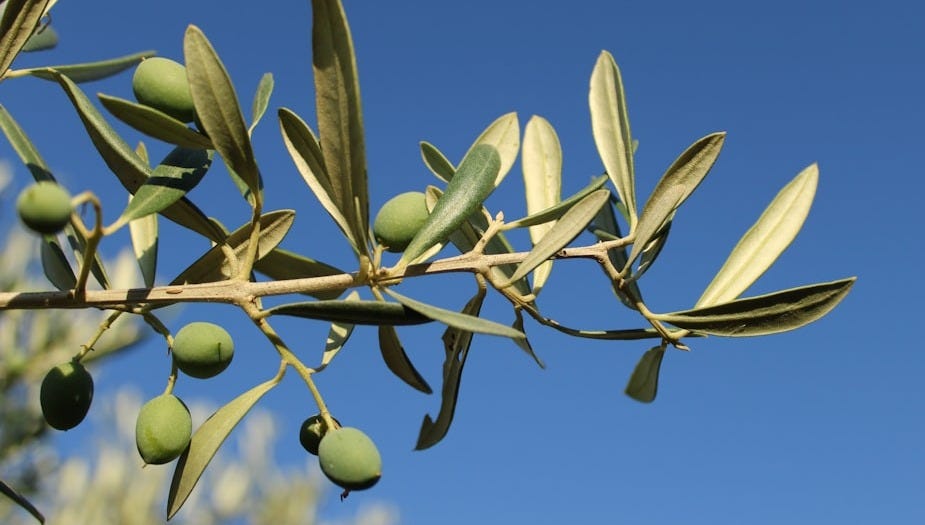
Photo by Susana Bartolome on Unsplash Learn About Olive Leaves: Amazing Benefits for BP, Blood Sugar, Brain health, Bacterial and Fungal infections.
The problem in today’s world is full of super-resistant bugs, including some viral pathogens such as COVID or flu strains, fungal infections, bacterial infections, and Lyme infections.
It is a real problem that when you enter the hospital for one health issue, you may end up infected by a superbug gotten during your stay.
That is why this Substack on Olive Leaf is so critically important. You need a shield to help protect your immune system, a potent one. Olive Leaf is that shield to both prevent and knock out those pathogens before they take hold of your immune system.
Olive Leaf is backed by centuries of human trials, dating back to the Greek and Roman civilizations, and continuing to this day in these same countries.
Olive Leaf may not be backed by large double-blind research studies, but its medical value has been proven by historical usage and practice going back to the doctors in Greece and Rome who used it for infections, fever, and pain. Olive leaf tea was used to treat wounds, disease, skin rashes, and malaria.
In my mind, it has undergone centuries of human trials to demonstrate its importance and effectiveness as an herbal medicine. Modern investigation later proved why it is effective, which is its compounds, including Oleuropein!
What’s in Olive Leaf that makes it a shield for your immune system?
Oleuropein is the primary healing compound in Olive leaf, which is an antioxidant, anti-inflammatory, antibacterial, and antifungal, and helps the body in its fight against cancer.
Viral Infections are still basically a virus, whether it be centuries ago or today. They just morph over the centuries into different viruses with different structures, names, shapes, potencies, and behaviors. Some are mild, and others are more lethal. They continually change. They respond to different medicines than bacteria or fungi do. Each pathogen has its own identification, profile, and symptoms. How they respond to medication is ever-changing as well.
Even today, viruses change each year and morph into a different version from the previous year.
In lab tests and small clinical trials, Olive leaf was shown to help fight different viruses, including the rotavirus, influenza, mononucleosis, HIV, and hepatitis.
What is the difference between how antibiotics and herbs work?
Antibiotics are created in the lab to destroy specific infectious agents. These pathogens tend over time to become antibiotic-resistant. The antibiotics kill both the infectious agent and your good gut bacteria as well. Antibiotics disrupt your gut bacteria, leading to stomach issues, pain, nausea, and yeast infections. Some of them have even more severe and dangerous effects on your body.
They do kill the pathogen, but at what cost? Antibiotics do not work on viruses and fungal infections.
Herbs work to disrupt how the pathogens divide and replicate themselves. Many of the herbs are often effective against all three: viral, bacterial, and fungal pathogens. That gives you the upper hand on many different infections. The pathogen is not as likely to become resistant to herbs. The side effects of herbs usually don’t destroy your microbiome and have fewer side effects overall.
Caution:
Depending on the herb, it may not be strong enough against some dangerous and potent infections, such as strep, sepsis, serious infected wounds, or flesh-eating bacteria. Some infections require IV antibiotics to stop the infection.
If you take herbs and your infection gets worse, seek help. Strep is really stubborn to knock out and can get dangerous quickly! Lung conditions are another one.
With children, I would take them to ER! It is usually NOT advised to give herbs to children unless under the supervision of a doctor.
Depending on many factors, including age, immune strength, and health, you may have a reduced ability to fend off infections of any kind. In that case, you need to see a doctor immediately.
Remember, in ancient cultures, an herbal medicine either worked or it didn’t. Usage and real-time results dictated to ancient doctors whether a herb was considered a remedy for a certain disease. The fact that both civilizations used Olive leaves for disease and illness testifies to its effectiveness.
Olive Leaf acts as an Antimicrobial.
An antimicrobial means Olive Leaf helps prevent and dismantle infections caused by infectious bacteria. Some bacterial infectious agents are Gram-negative, and some are Gram-positive.
So what does Olive Leaf contain that makes it antimicrobial?
“Specifically, the antimicrobial activity of olive oil has been attributed to polyphenols oleuropein, hydroxytyrosol, and tyrosol. Additionally, particular polyphenols contained in olive oil, oleuropein and ligstroside aglycons have been shown to have strong bactericidal activity against Helicobacter pylori 1”
https://olivewellnessinstitute.org/article/the-olive-antimicrobial-compounds/
“Olive leaf has also been shown to inhibit the growth of gram-negative and positive bacteria, yeasts, and parasites.3 Specifically, there is in vitro research to show activity against Helicobacter pylori and Campylobacter jejuni, which shows the potential of the extract to regulate the composition of the gastric flora, through selectively reducing these bacteria's levels.5
In addition, research has shown that olive leaf extract has an anti-fungal action in vitro, specifically against the following organisms: Saccharomyces cerevisiae, Schizosaccharomyces pombe, Saccharomyces uvarum, Candida oleophila, Metschnikowia fructicola, and Kloeckera apiculata.6”
https://olivewellnessinstitute.org/article/the-olive-antimicrobial-compounds/
Olive Leaf has many more health benefits to be aware of that are important, not related to bacteria, fungi, and viral infections.
Need a natural herb to control your high blood pressure and cholesterol problems without the side effects of the current pharmaceutical medicines?
Olive leaf may help lower high blood pressure, blood lipids, inflammation, metabolic syndrome, and blood sugar.
Olive leaf is good for your brain function – Most people reading this have no idea how beneficial Olive Leaf is for the brain.
Chronic inflammation is one cause of brain function problems. Olive Leaf is anti-inflammatory and protects the brain. It improves blood flow, which increases oxygen and nutrients, improving brain function.
Olive leaf extract has been shown to have a positive effect on mood. It contains compounds that help to regulate the levels of serotonin and dopamine in the brain, which are neurotransmitters that play a key role in regulating mood.
Olive Leaf has been shown to calm the brain down, helping to relieve anxiety. That could really help dementia patients with sundowners.
When do you start taking Olive Leaf and your other immune supplements?
It is important to start Olive Leaf at the first signs of illness, such as fatigue and just feeling off.
We take Olive Leaf supplements 5 days a week to prevent illness and to receive its many other benefits, then take a break for one or two days.
What dosage is generally suggested?
The general recommended dose of Olive leaf is 500 to 1000mg twice a day.
Look at the recommended dosage on the bottle label. If you are extremely sensitive to new herbs or food, cut the dose in half or even lower. Wait a couple of days, then up the dosage gradually. Take it with food. Always start out with a lower dose to gauge any adverse reactions you may have.
Possible side effects
Do not take Olive Leaf when pregnant or nursing unless cleared by your doctor.
Do not give to babies or children unless cleared by your doctor.
If taking blood sugar or blood pressure medicine, there could be serious contraindications and side effects when taken together. Olive Leaf often lowers your blood pressure! So do many other herbs!
If you have low blood pressure, Olive Leaf can be a problem, so monitor your blood pressure daily.
Consult your doctor before taking Olive Leaf!
Do not take medications and herbs together without supervision from your doctor.
Allergic reactions
If you are allergic to olives or olive leaf, you may experience an allergic reaction such as nausea, diarrhea, or a skin rash.
While acute toxicity is extremely rare, taking high amounts of this extract could lead to chronic toxicity and cause health problems over time.
Be advised that the information given above should not be considered medical advice but presented for information only. It is up to you and your doctor to decide what is appropriate for your health program.
Click on the PubMed clinical trials links at the end of this article.
One of the best websites with proof of the benefits of Olive Leaf over the ages and in modern times. Please read their monograph on the link below. The Botanical Institute is highly respected for its research. https://botanicalinstitute.org/olive-leaf/
Links to PubMed studies with human trials below:
Supplementation Effect of a Combination of Olive (Olea europea L.) Leaf and Fruit Extracts in the Clinical Management of Hypertension and Metabolic Syndrome
Evaluation of the antifungal activity of olive leaf aqueous extracts against C
Oleuropein, a component of extra virgin olive oil, lowers postprandial glycaemia in healthy subjects and Candida albicans PTCC-5027
https://eastparkresearch.com/the-benefits-of-olive-leaf-extract-on-brain-health/